



Facebook & Instagram
List your catalog on Facebook and Instagram with a Meta catalog feed
1. Review the fit
Free sales channel made by Lulu. Lulu publishes a standards-based Meta catalog feed of your products (id, title, description, price, availability, images, link) at a public URL. You add that URL once in Meta Commerce Manager as a scheduled data source, and Meta refetches it on its own schedule so your Facebook Shop and Instagram product tags stay current. The channel page walks you through the Commerce Manager connection, shows how many products are feed-ready and why the rest are not, and keeps your Meta Business, Catalog and Pixel IDs for reference. What it does not do: there is no automatic Meta API sync, no on-Facebook checkout and no pixel injection - those need Meta app review and access tokens. You need your own Meta Commerce Manager account. Lulu charges nothing for this channel. Some functionality is available, while other capabilities may still be planned. Review the live listing before relying on a particular workflow.
2. Check requirements
Check these requirements before installing.
- Requires your own Meta Commerce Manager account. Real, built-in Meta catalog feed — it needs your own Meta Commerce Manager account to show anything on Facebook or Instagram. Lulu publishes a standards-based catalog feed of your products (id, title, description, price, availability, images, link) at a public URL; you add that URL once in Commerce Manager as a scheduled data source and Meta refetches it on its own schedule. The channel page walks you through the connection, shows how many products are feed-ready and why the rest are not, and keeps your Meta Business, Catalog and Pixel IDs for reference. Not built: automatic Meta API sync, on-Facebook checkout and pixel injection — those need Meta app review and access tokens. Lulu charges nothing.
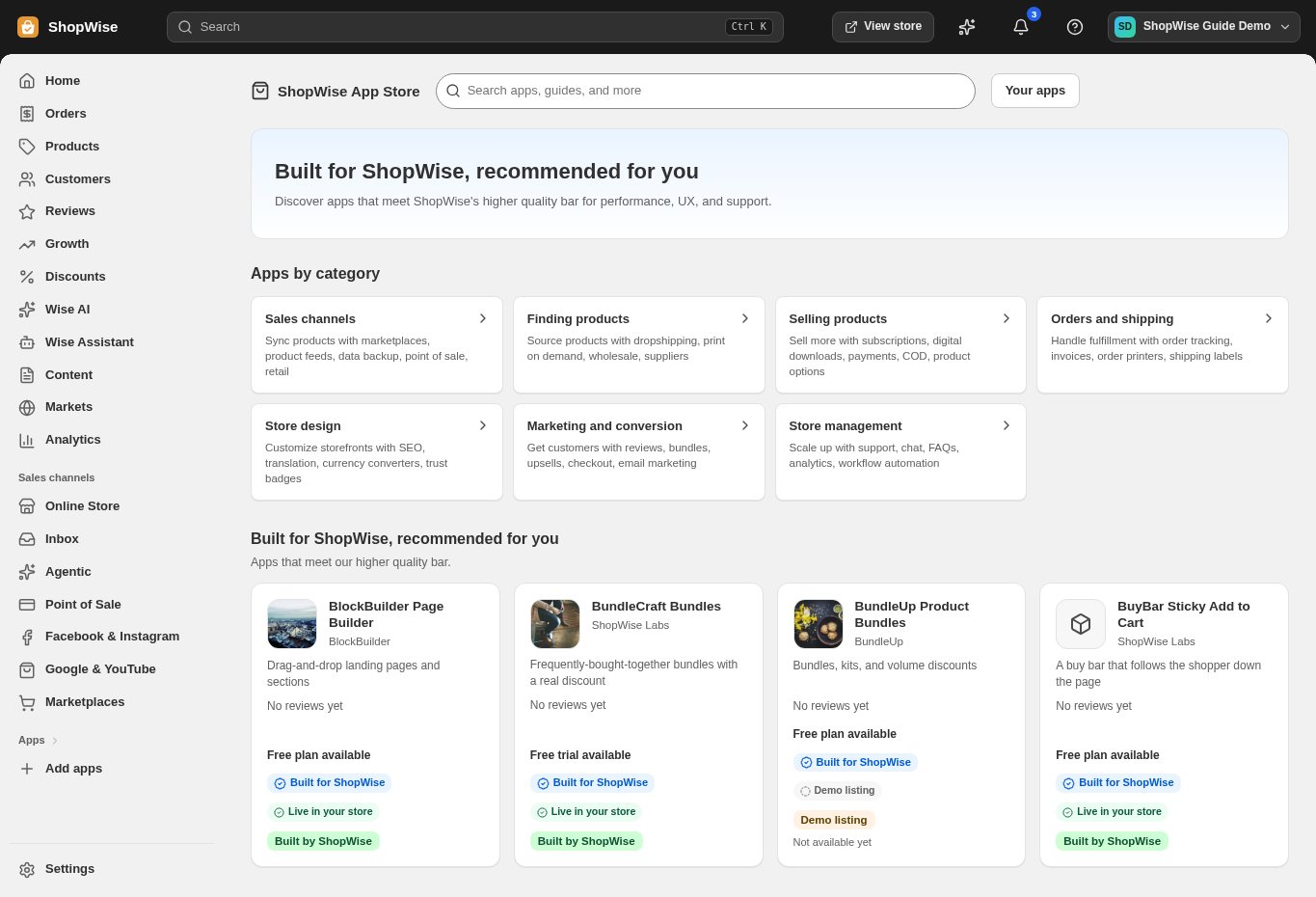
3. Choose and install
Sign in to the store where you want to use the app. Review its requested access and choose a plan that fits your usage. Paid plans and provider charges are separate from your store package.
4. Configure and preview
Open the app from your admin and complete its setup. If it adds a storefront component, enable the appropriate app block or section in your theme. Preview on desktop and mobile before publishing.
5. Test the customer journey
Use sample products or a test order to check the result. Review app usage and plan limits before increasing traffic. Contact the app’s support team through the listing if the result differs from what you expected.