Not because the products are wrong. Because somewhere between the idea and the first order there is a payment gateway form, a delivery-rates table, and nobody to ask. Lulu exists to put somebody there.
Where this came from
We kept meeting the same person.
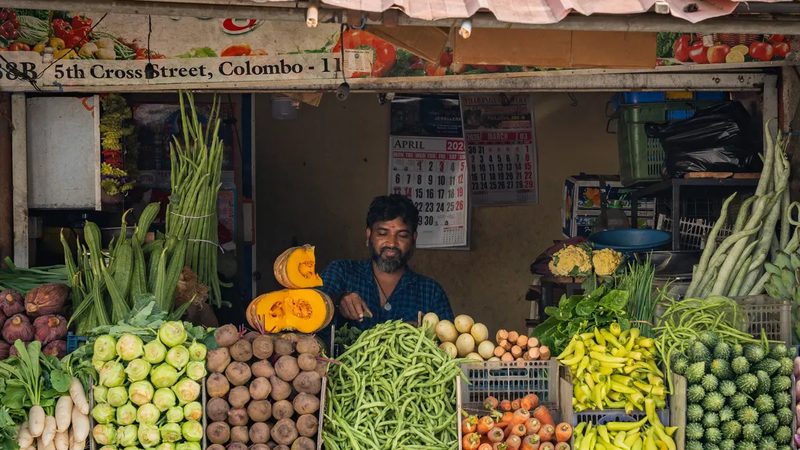
A tailor in Kandy with four hundred followers and no way to take money from them. A woman selling batik out of a market stall on Saturdays, turning away people who asked whether she delivered to Colombo. A family homeware business on a platform that billed them in dollars and did not support a single bank they used.
All of them had the hard part sorted — a product people wanted. All of them were stuck on the part that is supposedly easy.
So Lulu was built the other way round. The software came first, the way it always does. But the thing we actually sell is the six days at the start: a vetted person who fits the theme, loads the catalogue, connects the gateway, draws the delivery zones, and stays on the line the morning you open. From $7 USD, because a price that scares people away is the same as no help at all.
A shop with heart, open by the end of the week.
The hard part was never the software.
What we hold to
Four things we will not quietly change later.
A platform is not enough on its own
Handing someone an empty admin panel and a link to a help centre is not the same as helping them. Most people who give up on selling online give up in the first week, on a gateway form or a delivery-rates table. So we put a person there.
The price has to be the price
Setup work is quoted as one number, agreed before anyone starts, and paid through Lulu. No hourly creep, no invoice at the end that is double the estimate. If the job grows, you are asked first.
Local money is not a special case
Local gateways, cash on delivery and instalment plans are not an afterthought bolted onto the checkout. They are the default here — and everything is priced in USD, so what you see is what you pay, wherever you are.
You own everything at the end
The admin account, the domain, the billing, the customer list. A partner hands the whole shop over and walks away. Nothing is kept back to make sure you come back.
Who builds it
A small team and a bigger network.
Lulu is made by a small group working across Colombo and Kandy. The onboarding work is done partly by us — the Lulu Onboarding Team — and partly by independent designers, developers and agencies who apply, get checked, and get rated by the shops they open.
That network is the point. A partner in Jaffna knows which couriers actually turn up in Jaffna. We could not learn that from an office.